

Seventy years building a community open to the world: from the arrival of the first international students and the first Spanish classes to the celebration of two international tennis tournaments.
There are stories that explain who you are. And there are others that also demonstrate that an identity can remain alive for generations.
The history of Lope de Vega International School is, from its origins, the story of a school that decided to look beyond its borders.
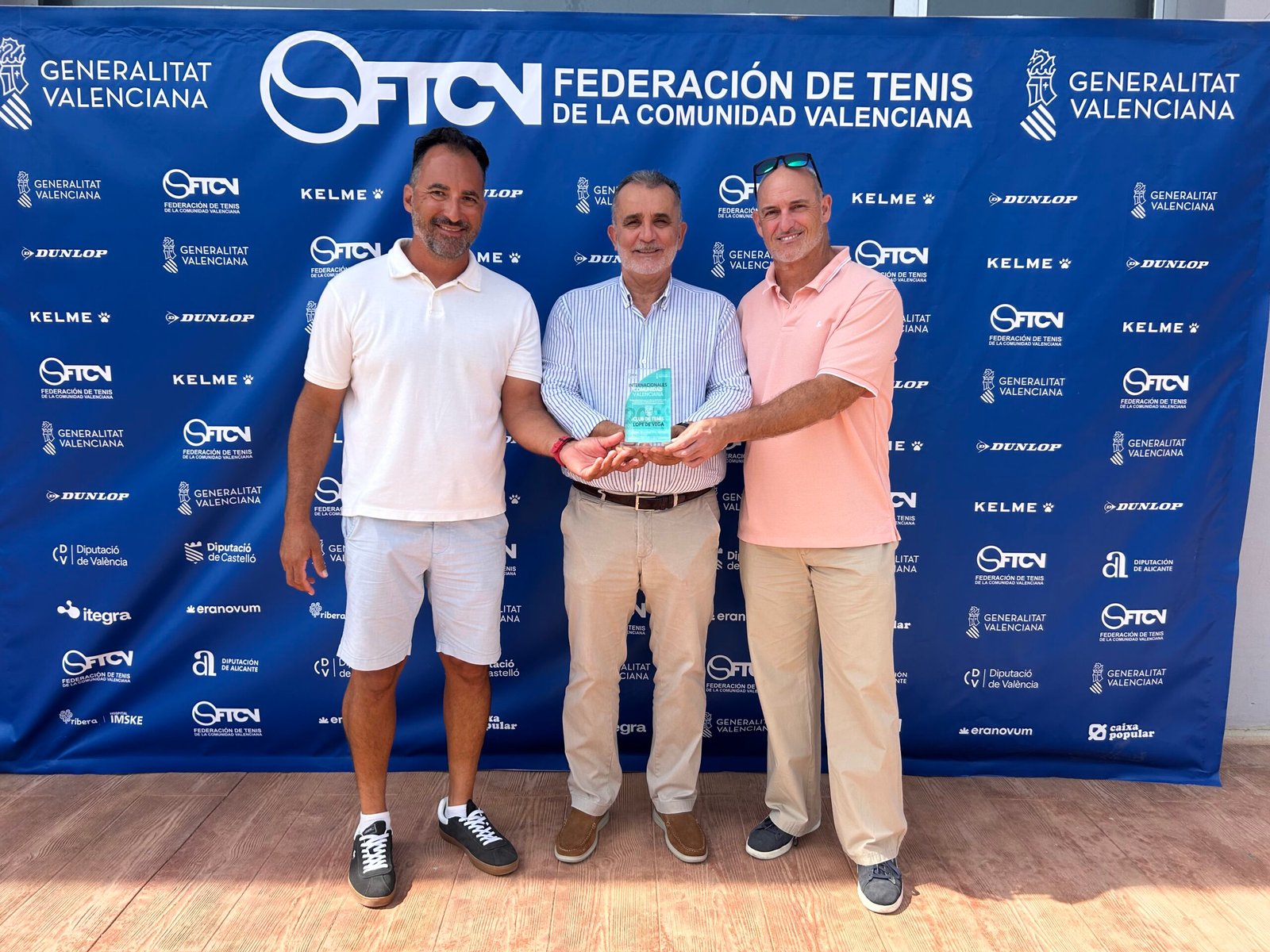
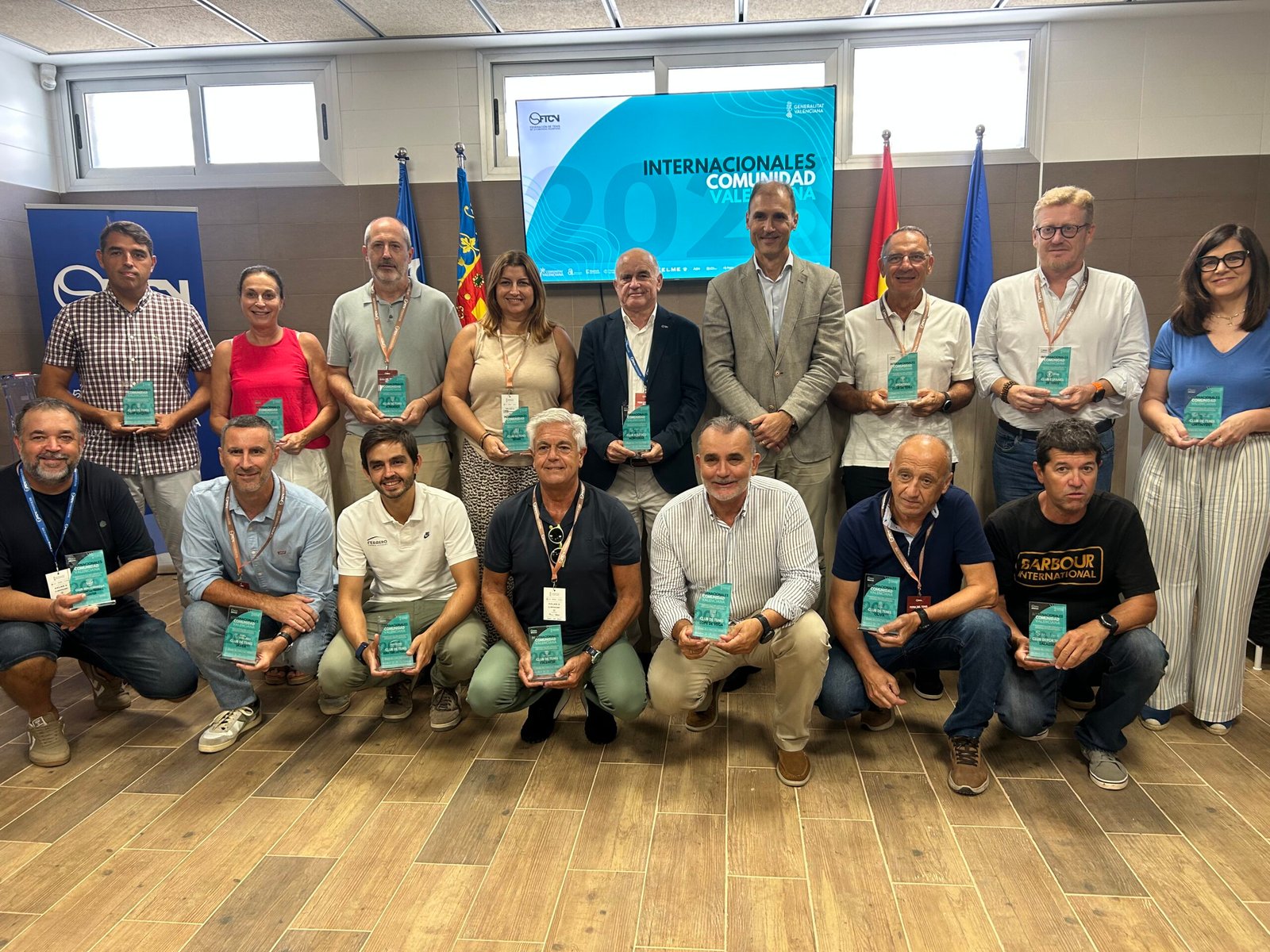
Last Sunday, the Valencian Community Tennis Federation recognized the work of organizations and clubs that promote and organize international tournaments. Among those honored was Lope de Vega, a recognition that takes on special significance given its international track record.
There are stories that explain who you are. And there are others that also demonstrate that an identity can remain alive for generations.
The history of Lope de Vega International School is, from its origins, the story of a school that decided to look beyond its borders.
The Valencian Community Tennis Federation recently recognized the work of organizations and clubs that promote and organize international tournaments. Among those recognized was Lope de Vega, an award that takes on special significance when considered in light of its international history.
The international school that was founded before Benidorm International
Lope de Vega was founded in 1956 in a Benidorm very different from today's. The city had not yet acquired the tourist and international stature that would, over the years, make it one of the Mediterranean's major destinations. However, the educational project spearheaded by Juan Fuster Zaragoza already had a distinctly international focus.
With the creation of the residence and the arrival of students from different countries, the school began to broaden its horizons and build an increasingly international educational community.
Spanish classes for foreigners were already being offered in 1968, and in 1974, Lope de Vega hosted the Third World Congress of International Schools, placing the school within an international educational context long before terms like globalization, multiculturalism, or international education became commonplace. It wasn't a passing strategy; it was an identity.
Internationalization as part of the DNA
Seventy years later, talking about Lope de Vega is talking about an educational community made up of people from different backgrounds, cultures and nationalities.
Internationalization is not limited to languages, educational programs, or the origin of students. Internationalization is lived.
It is experienced in the classrooms, in the playgrounds, in sports activities, in families and also in the school facilities, which over the years have become meeting places for people from different parts of the world.
When the world enters through the tennis courts
Perhaps one of the most visible examples of this international focus can be found today on its tennis courts. Every year, young athletes from different countries come to Lope de Vega to compete in two international tournaments .
Tennis Europe Juan Fuster Zaragoza and the ITF Lope de Vega International School transform the school into an international meeting point during their respective celebrations.
And there is one particularly unique element: there are few schools in the world that can host two international tennis tournaments of this kind on their own premises.
From Benidorm in 1956 to the world of today
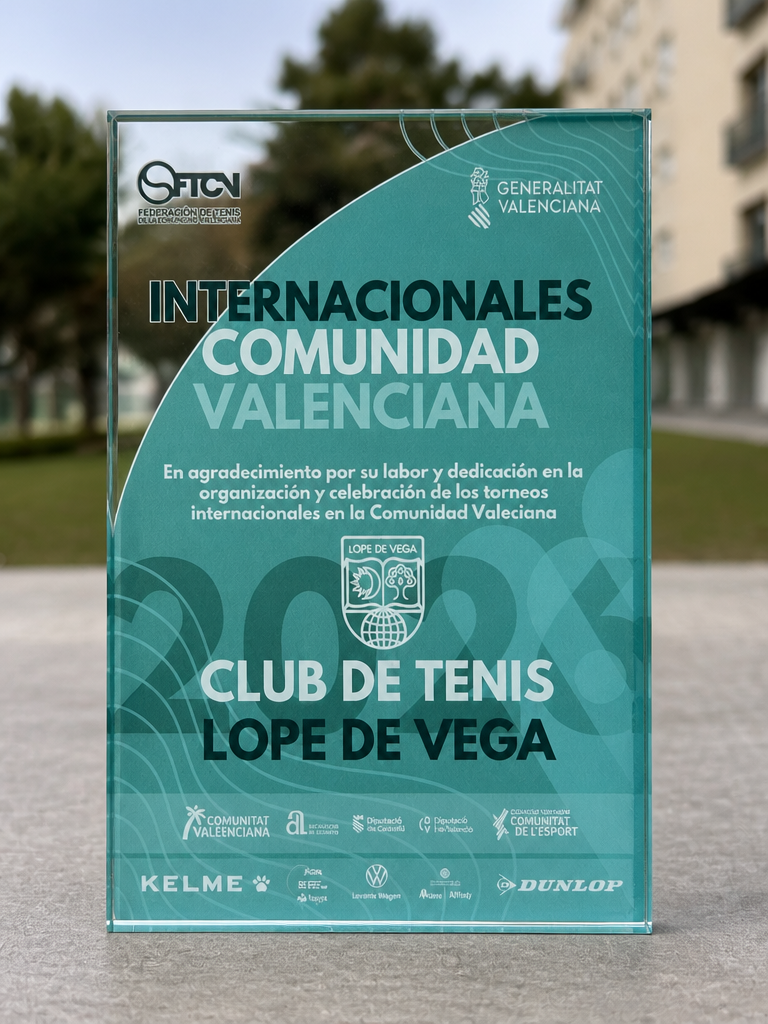
Perhaps it is precisely this historical perspective that allows us to better understand the significance of the recognition received last Sunday. It is not simply a matter of recognizing the organization of some tournaments.
A school's ability to maintain a continuous relationship with international sport and to turn its facilities into a meeting point is recognized.
But above all, it highlights something that has been part of Lope de Vega for a long time: his international vocation.
Internationalization is not a new strategy. It is a way of understanding education that began 70 years ago and continues to evolve.
Today it is manifested in the classrooms, in the diversity of its educational community and also in events such as the Tennis Europe Juan Fuster Zaragoza and the ITF Lope de Vega International School.